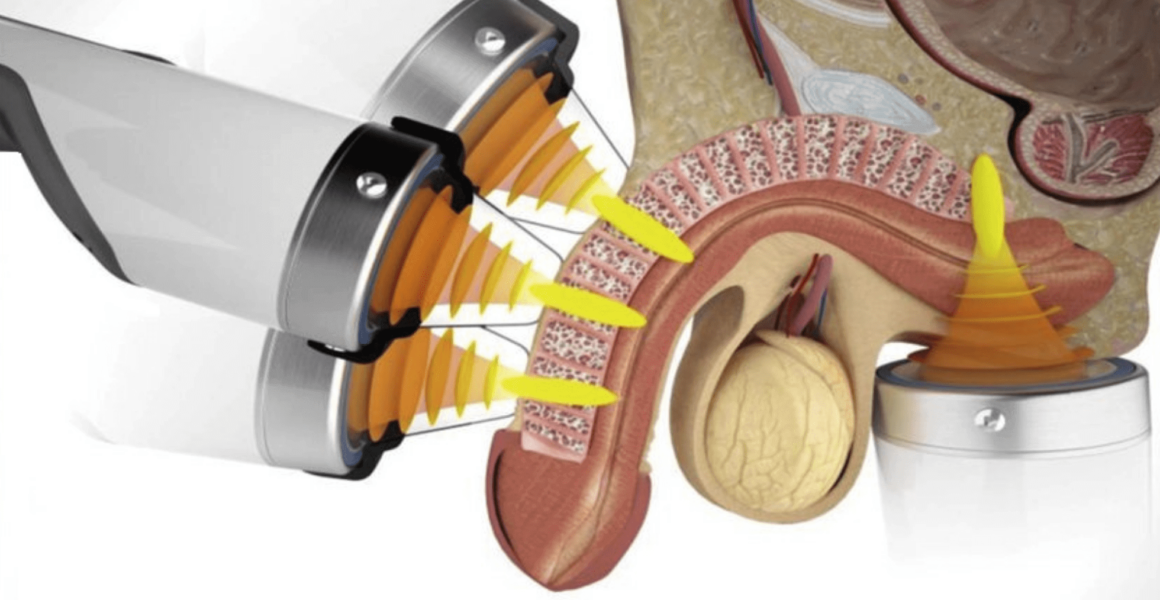
What is Penis Enlargement Surgery?
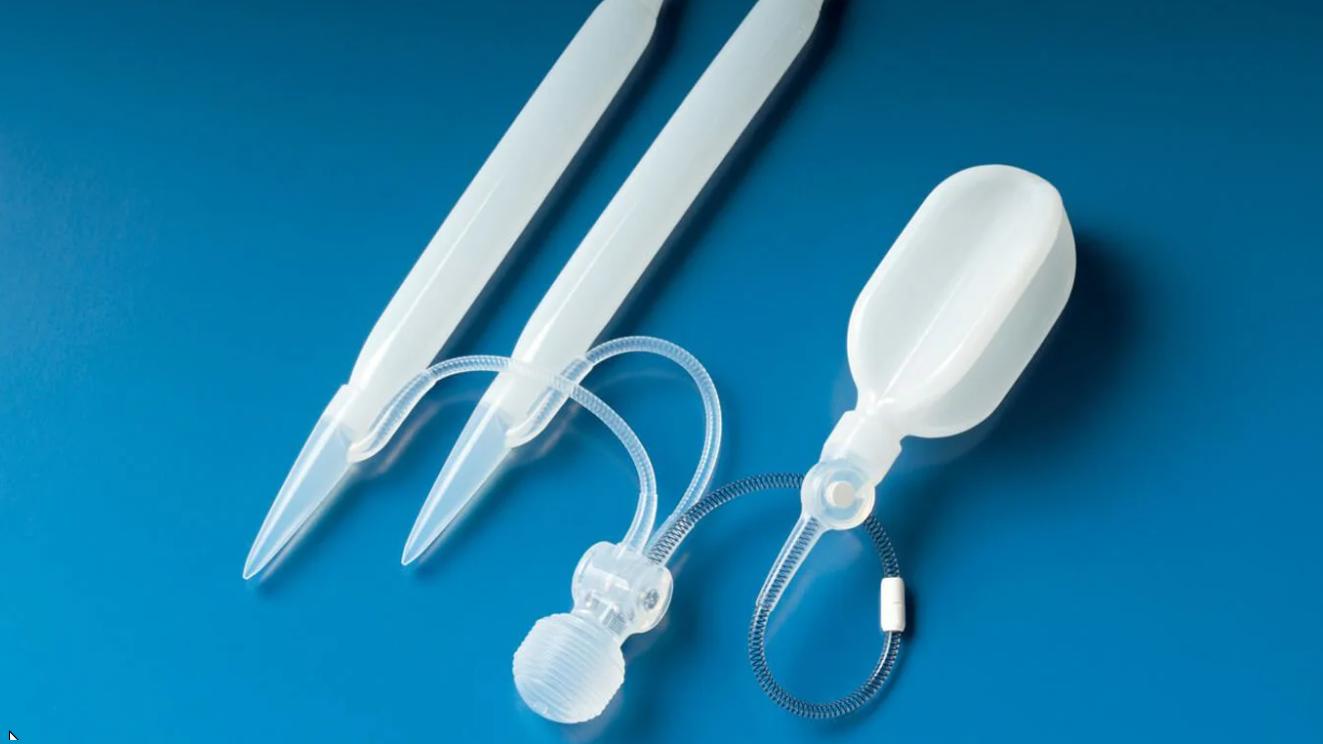
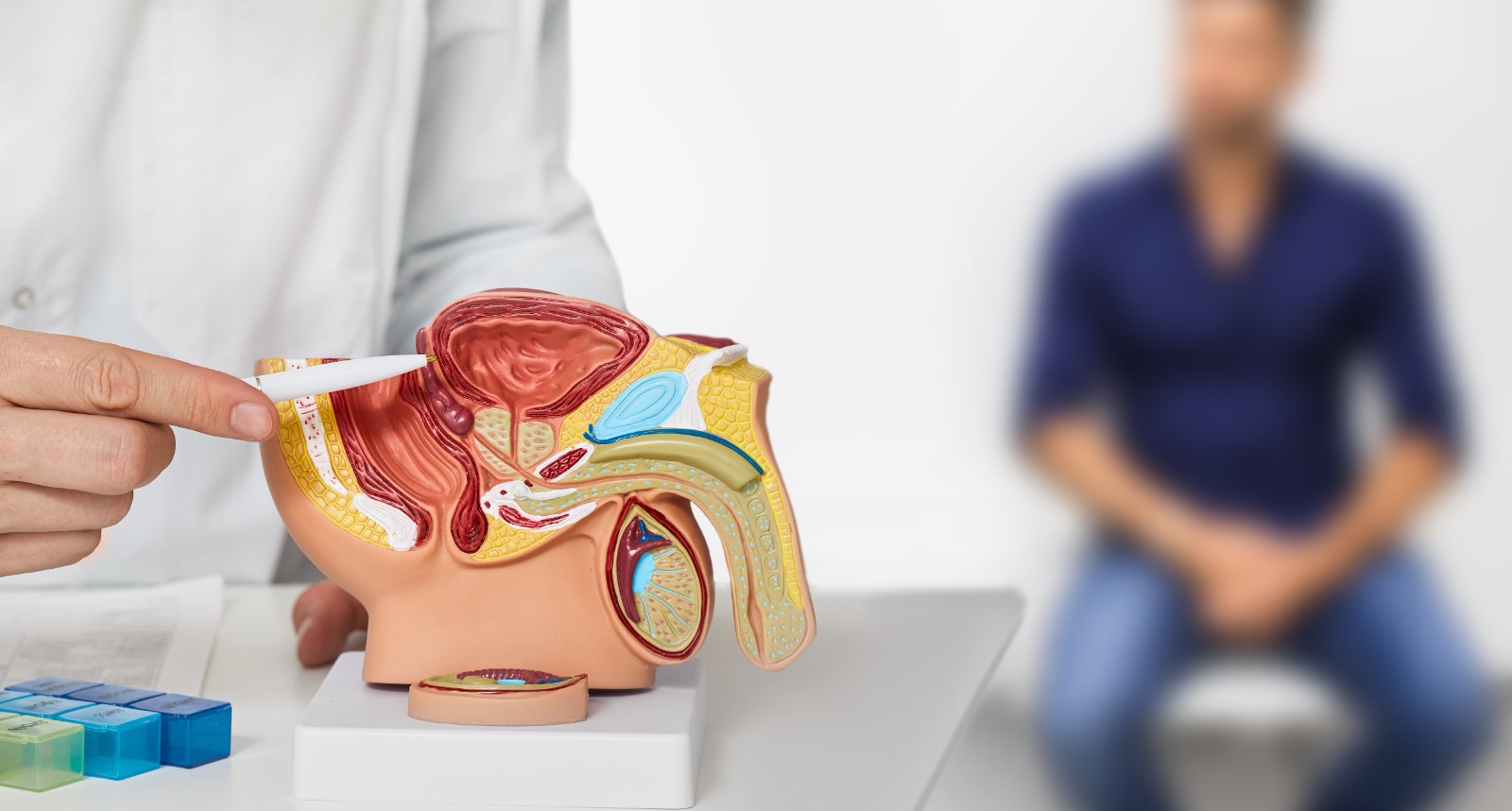
Penis enlargement surgery, also called “penile plastic surgery,” is an aesthetic surgical procedure aimed at increasing the length and girth of the penis. While cosmetic operations were traditionally more popular among women, they have become increasingly common among men today. Penis enlargement surgery is performed for individuals who are dissatisfied with the size or thickness of their penis, and there are different aesthetic solutions for various penile shape abnormalities, curvature, or appearance issues.

What is the Normal Penis Size?
Penis size varies depending on race, geography, and individual factors, but the normal range in an erect state is considered to be 11–17 cm. However, what matters for penis enlargement surgery is whether the individual is satisfied with their own penis size. Surgery is not effective for extremely small penises under 2 cm, which are classified as micropenis.
How is Penis Enlargement Achieved?
Penis enlargement can be performed in two ways: increasing the length and increasing the girth. Permanent growth through natural methods (medications, exercises, etc.) is not possible; the only way to achieve lasting enlargement is through aesthetic surgery. Incorrect exercises can harm the penis, so they should never be attempted without expert supervision.
Techniques for Penis Lengthening and Girth Enhancement
-
Cutting the Suspensory Ligament: Loosening the connective tissue that holds the internal part of the penis, increasing the visible length. Average post-operative gain: 2–5 cm.
-
Supra-pubic V-Y Plasty: Skin advancement from the pubic area to support lengthening.
-
Supra-pubic Liposuction: Removing excess fat from the pubic region to reveal a hidden penis, resulting in approximately 1–1.5 cm length gain.
-
Peno-scrotal Plasty: Correcting skin adhesions between the penis and scrotum to enhance the perception of length.
-
Penis Girth Enhancement: Injecting fat tissue taken from the patient’s own body around the penis. Part of the fat is absorbed; permanent gain is around 20–40%. Excessive fat injection can cause erection problems, so the procedure must be performed by an experienced surgeon.
Frequently Asked Questions
How is Penis Lengthening Surgery Performed?
The connective tissues attaching the penis to the pelvic bone are surgically loosened or cut. The procedure takes about 1 hour and is performed under general or regional anesthesia.
How is Penis Girth Enhancement Performed?
Fat obtained via liposuction from the patient’s body is injected under the penis. The procedure usually takes 1 hour and can be performed under local or general anesthesia.
Is the Surgery Painful?
No pain is felt during the operation. Mild pain may occur in the area where fat was harvested during the first week, but it is normal and easily managed.
What is the Recovery Process Like?
Patients are discharged on the same day. Full recovery typically takes around 3 weeks. Activities such as bathing and sunbathing should be avoided for the first 5–7 days. Driving and long journeys are not recommended. Light exercises can be resumed after 2 weeks, while heavy work requires 30 days of rest.
When Can I Resume Sexual Activity?
Sexual activity should only resume after at least 21 days and with the doctor’s approval.
Will Sexual Function Change After Surgery?
No, the surgery does not damage the nerves or blood vessels of the penis and does not affect sexual function.
Can It Cause Penis Curvature?
Modern surgical techniques do not cause penile curvature.
Will Others Notice I Had Surgery?
Small incisions heal quickly, and within 3 weeks the skin returns to its normal appearance with no visible scars.

Conclusion
Penis enlargement surgery is a safe and effective surgical option aimed at improving aesthetic concerns and boosting self-confidence. When performed using proper techniques, it can significantly increase both the length and girth of the penis. Recovery is usually quick, and surgical marks disappear rapidly. Sexual function is not negatively affected. It is important to remember that this procedure is a personal aesthetic choice, and a detailed evaluation by an expert physician is essential before making a decision.