What is ESWT (Shockwave Therapy)?
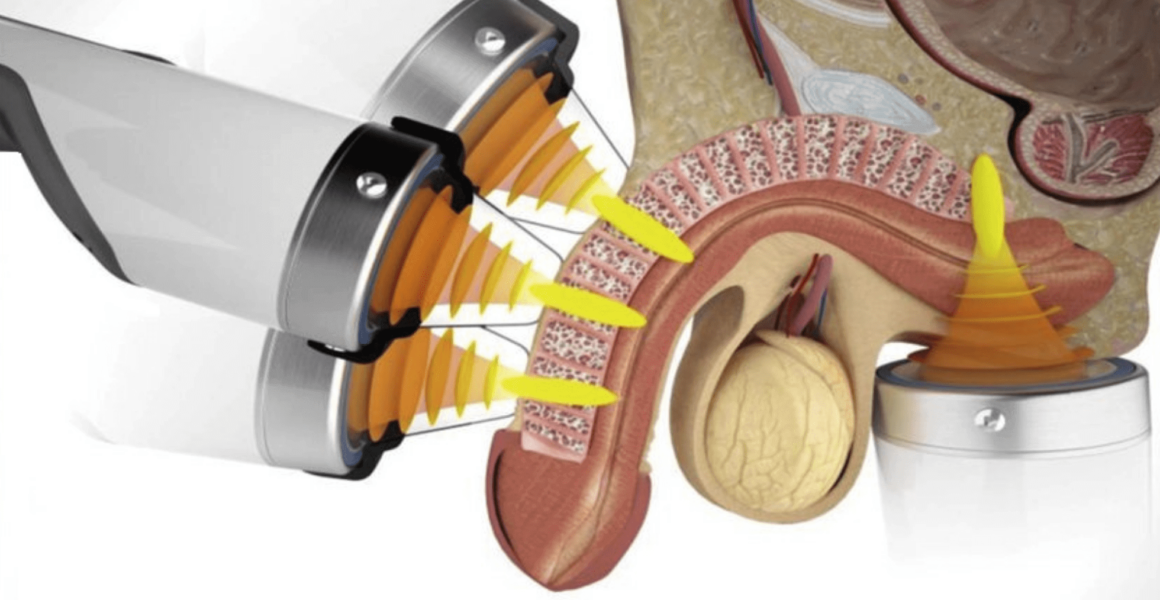
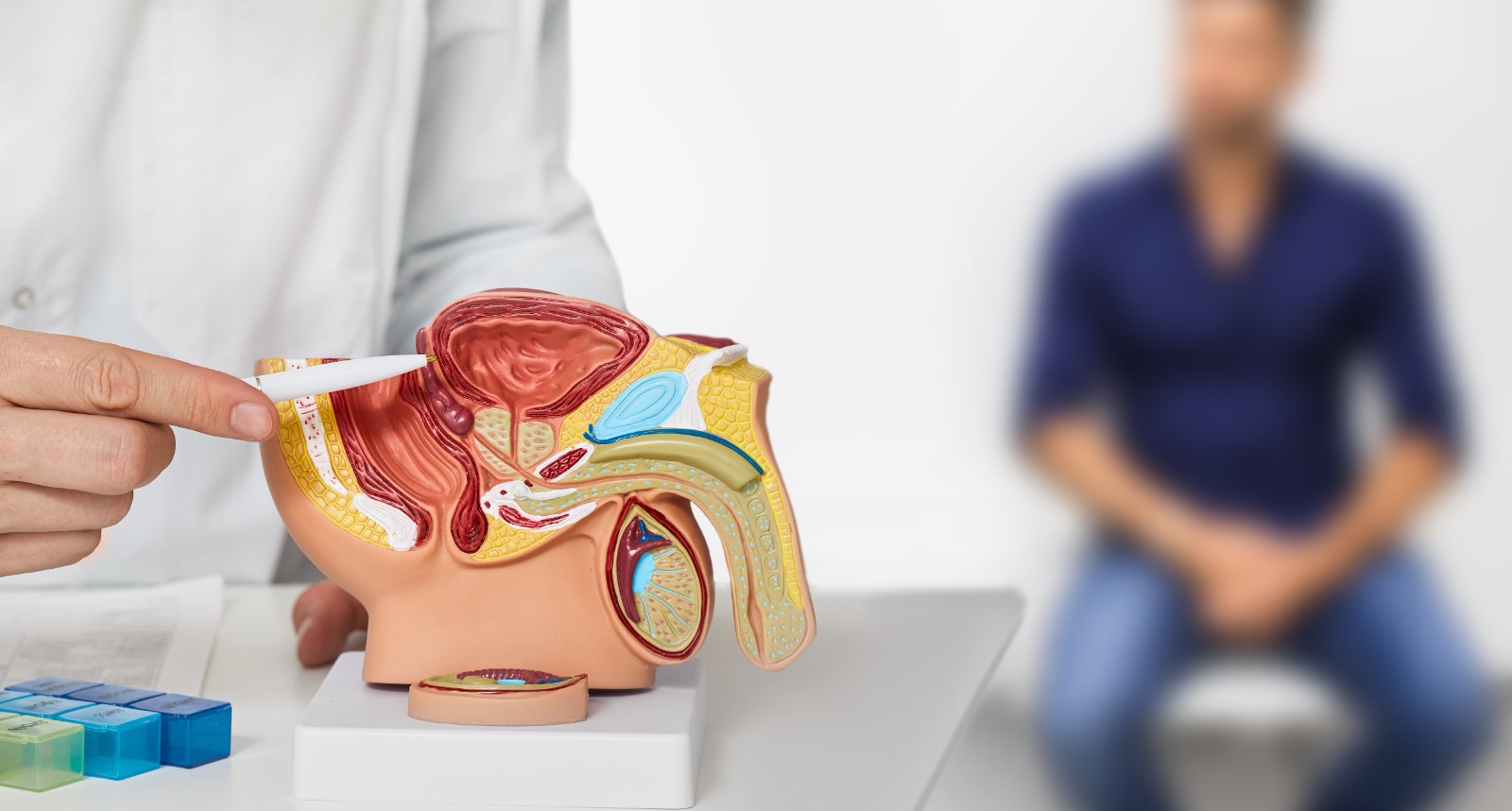
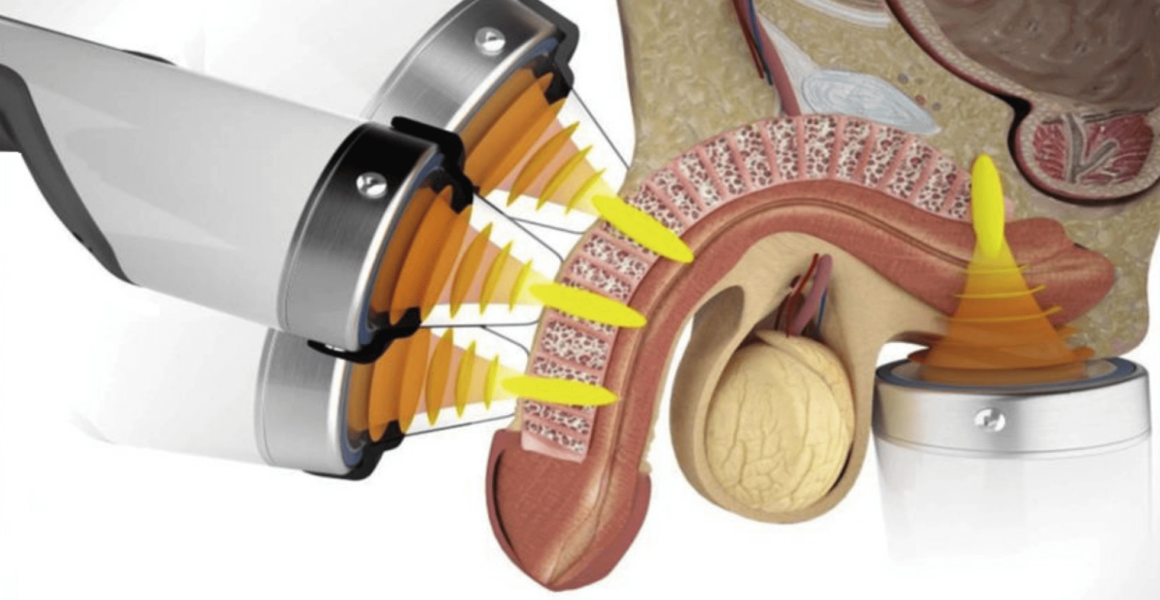
ESWT stands for "Extracorporeal Shock Wave Therapy." It involves applying low-intensity shock waves to the penis using specialized probes, promoting tissue regeneration, new blood vessel formation, and improved vascular health. It is primarily used in the treatment of urological conditions such as erectile dysfunction (ED), Peyronie’s disease, and chronic prostatitis.
When is ESWT Used?
-
Erectile Dysfunction (ED)
-
Peyronie’s Disease
-
Chronic Prostatitis
-
Penis Tissue Thickening
How is ESWT Applied?
-
Typically 2 sessions per week, totaling 6–12 sessions
-
1500 shock waves applied to 5 different regions of the penis per session
-
Duration: 15–20 minutes
-
No anesthesia required
-
Patients can return to daily activities immediately after the procedure
Mechanism of Action of ESWT
-
Formation of new capillaries
-
Release of VEGF and eNOS
-
Nerve regeneration
-
Increased collagen production
-
Anti-inflammatory effect
-
Reduction of oxidative stress
-
Stem cell activation
Advantages of ESWT
-
60–80% success rate
-
No anesthesia required
-
Painless
-
Very low risk of complications
-
Can be performed without interruption of daily life
-
Potential for long-lasting effects
Erectile Dysfunction (ED) and ESWT
-
Causes include cardiovascular diseases, diabetes, and hypertension
-
ESWT promotes vascular and nerve repair
-
Activates stem cells
-
Reduces inflammation
Chronic Prostatitis and ESWT
-
4–6 sessions applied to the perineal region, 3000 shock waves per session
-
Reduces muscle spasms and regulates nerve transmission
-
Improves psychological complaints
ESWT in Peyronie’s Disease
-
Reduces or eliminates pain
-
May help shrink plaques
-
Can prevent further curvature progression
-
Improves erection quality
Combined Treatment with P-Shot (PRP) for the Penis
-
Some patients may receive a P-Shot (platelet-rich plasma) injection after ESWT
-
Enhances blood vessel and tissue regeneration
Who Should Not Receive ESWT?
-
Patients with infections in the treatment area
-
Patients with open wounds
-
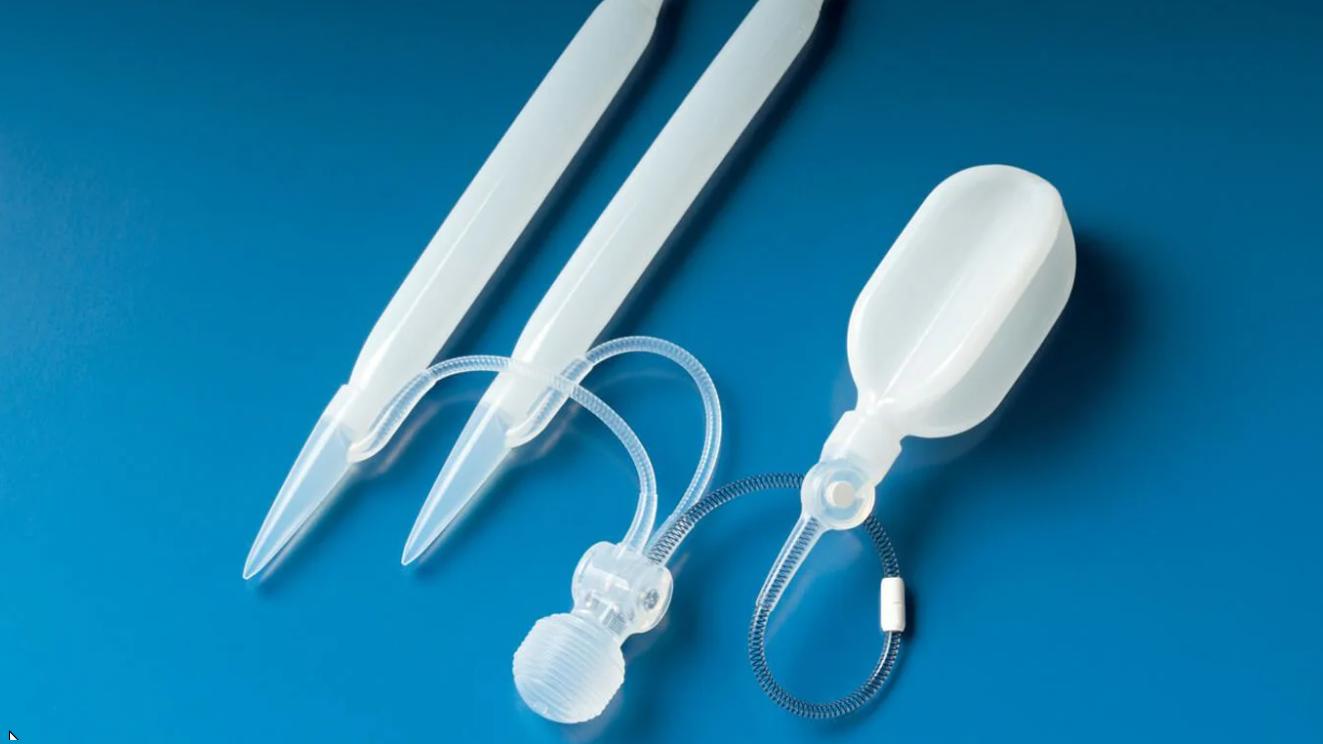
Patients with penile implants
Factors That Improve ESWT Success
-
Quitting smoking
-
Controlling diabetes
-
Regular exercise
-
Psychological support if needed
What Affects ESWT Session Costs?
-
Number of sessions
-
Quality of the device
-
Doctor’s experience
-
Clinic infrastructure
Conclusion
ESWT is a scientifically proven, safe, and painless treatment option for many urological conditions. This method can improve patients’ quality of life and may serve as an alternative to surgery.