What is a Kidney Stone?
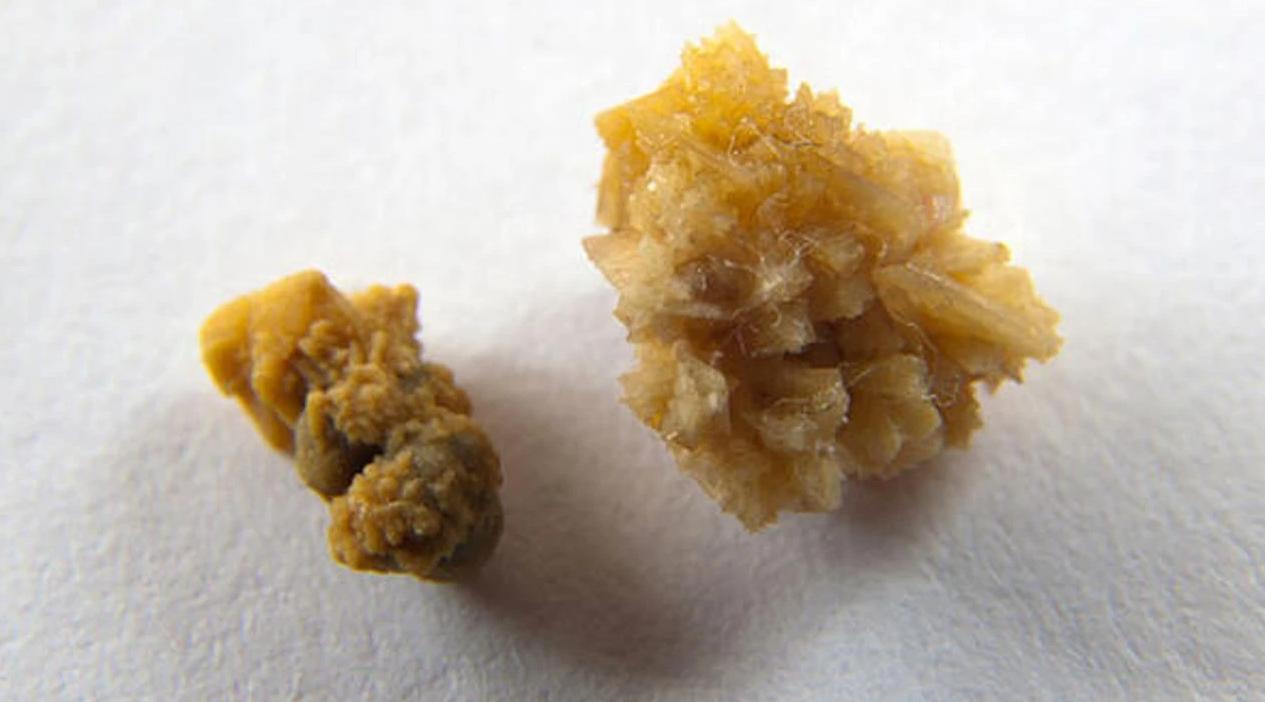
A kidney stone is a hard crystalline structure formed by the accumulation of minerals and salts in the kidneys or urinary tract. Normally, substances such as calcium, oxalate, and uric acid are dissolved in urine, but for various reasons, they can crystallize and form stones. This condition is triggered by factors such as an imbalance in the chemical composition of urine and insufficient fluid intake.
Kidney stones vary in size and shape; small stones can pass easily through the urinary tract, while larger stones can cause severe pain and urinary obstruction. They are more common in men, and factors like genetic predisposition and lifestyle play a role.
How Can You Tell If You Have a Kidney Stone?
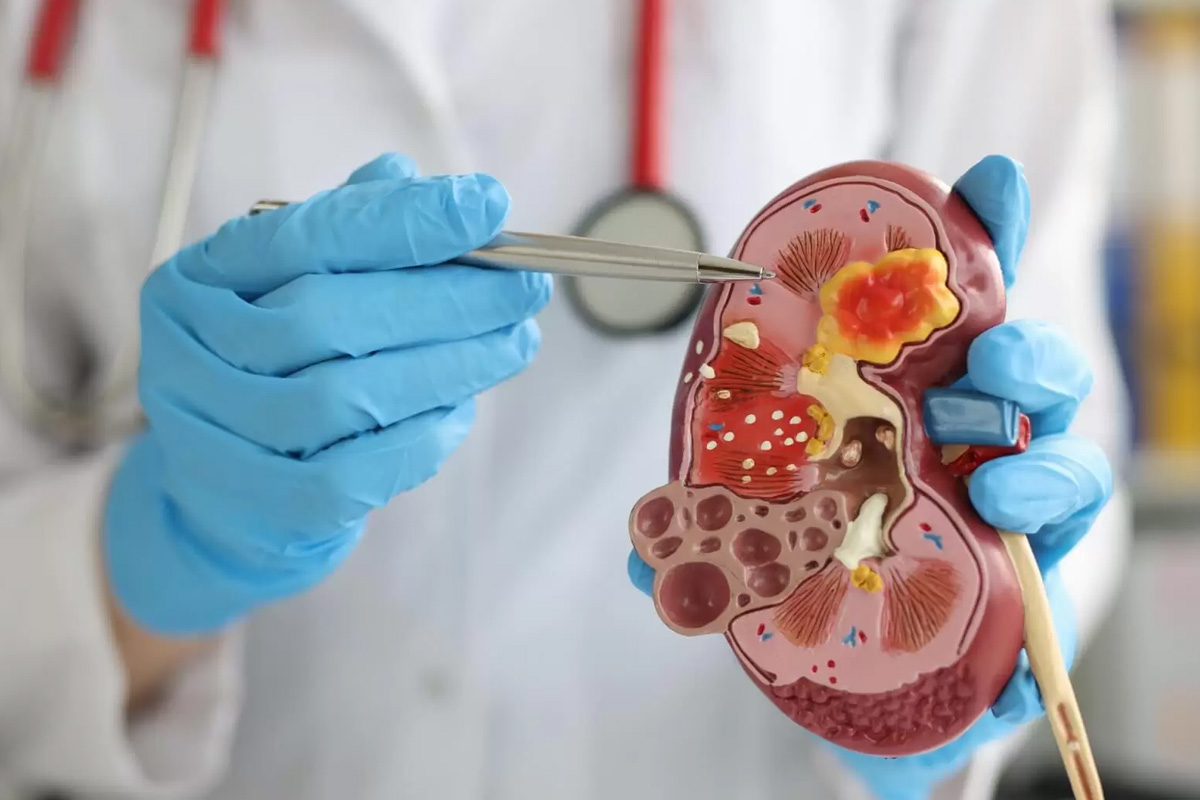
The most prominent sign of a kidney stone is severe pain in the side where the stone is located. This pain can sometimes be sharp, stabbing, or persist as a long-lasting discomfort. Pain typically intensifies when the stone moves from the kidney to the ureter and may fluctuate in severity.
Other symptoms may include:
-
Blood in the urine
-
Burning sensation during urination
-
Nausea and vomiting
-
Frequent urge to urinate
-
Fever and chills (if there is an infection)
For diagnosis, ultrasonography is often used because it is practical and patient-friendly. When needed, radiological methods such as an X-ray with contrast, spiral CT, or computed tomography (CT) help determine the stone's size and location. Treatment is planned based on the diagnosis.
Kidney Stone Treatment Methods
Stone Breaking (ESWL)
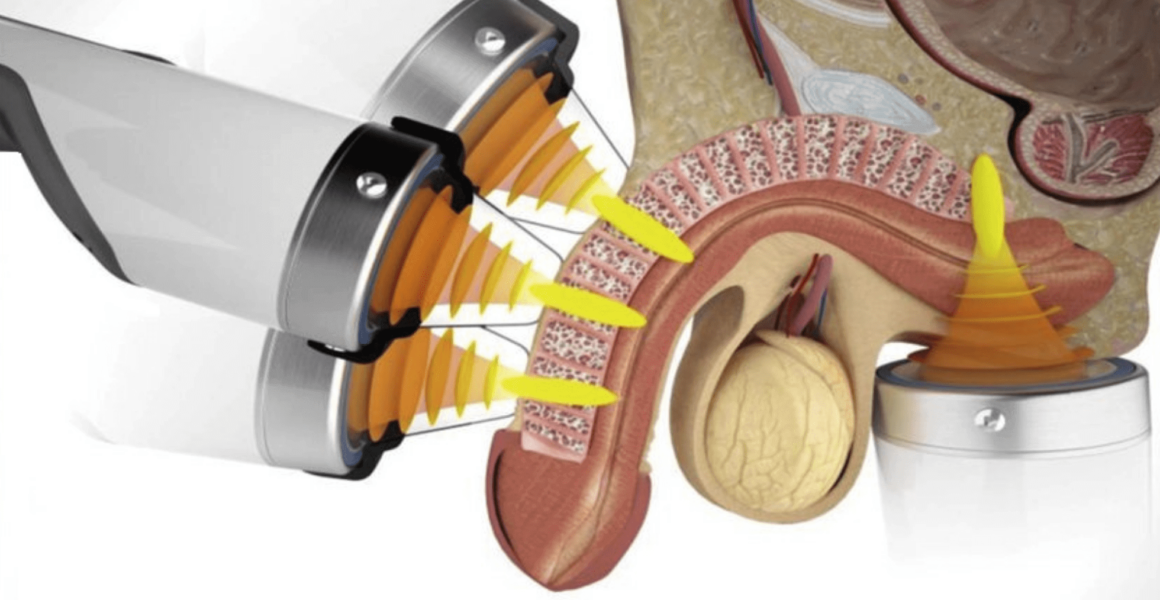
Shock waves are sent from outside the body to break the kidney stones into smaller pieces. These fragments can then pass through the urine easily. ESWL is painless and practical, but it may not be suitable for very large stones, overweight patients, those with bleeding disorders, or patients with urinary tract infections/obstructions.
Endoscopic Methods
When a stone is stuck in the ureter, a thin, illuminated instrument called a ureteroscope is used to reach the stone. The stone is broken with a laser and removed in pieces. Stones inside the kidney can be reached and broken using flexible ureterorenoscopy. This method is minimally invasive, requires no incision, and recovery time is short.
Percutaneous Stone Surgery
This is preferred for very large stones or stones that cannot be treated with breaking methods. A small incision is made through the skin to access the kidney with an endoscopic device, and stones are broken and removed. The surgical wound is minimal, and patients recover quickly.
Open Surgery
Rarely used today. It is preferred for very large and complex stones or when there is narrowing at the lower part of the stone. The stones are removed directly through a surgical incision.
How to Prevent Kidney Stones
-
Drink Plenty of Fluids: At least 2–2.5 liters of water per day helps prevent stone formation.
-
Balanced Diet: Limit salt, excessive protein, and foods high in oxalate.
-
Regular Exercise: An active lifestyle reduces the risk of stones.
-
Treat Urinary Tract Infections: Infections facilitate stone formation and should not be ignored.
-
Regular Doctor Check-ups: Monitoring metabolic or genetic factors that trigger stone formation is important.
Conclusion
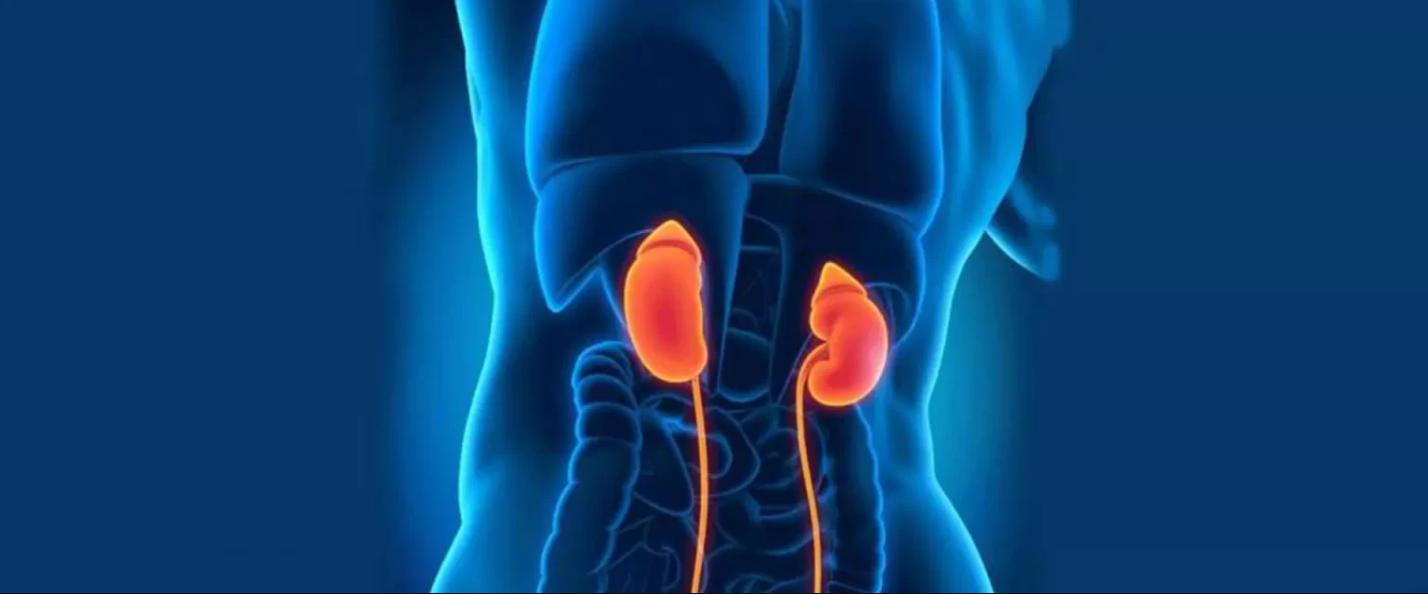
Kidney stones are common and can significantly affect quality of life. Early diagnosis and appropriate treatment methods can resolve most stones, allowing patients to return to normal life. However, lifestyle and dietary changes are the most effective way to prevent recurrent stones. Therefore, drinking plenty of water and keeping up with regular check-ups is crucial.