Urodynamics (Urinary Function Test)
What is Urodynamics?
Urodynamics is a specialized test that measures the functional relationship between the bladder (urinary bladder) and the urethra (urinary canal) during the process of urination.
This test provides detailed information on how the bladder stores and empties urine.
It is particularly important for diagnosing issues such as urinary incontinence, frequent urination, incomplete bladder emptying, or difficulty urinating.
Why is Urodynamics Performed?
Urodynamic testing is used in cases such as:
-
Urinary incontinence (in both women and men)
-
Urinary problems due to enlarged prostate
-
Overactive bladder
-
Underactive bladder (hypoactive bladder)
-
Neurogenic bladder (urinary problems caused by nervous system disorders)
-
Persistent urinary symptoms despite previous surgery
-
Recurrent urinary tract infections
How is Urodynamics Performed?
The urodynamics test is a painless, minimally invasive procedure that usually takes about 30–45 minutes. It involves several stages:
-
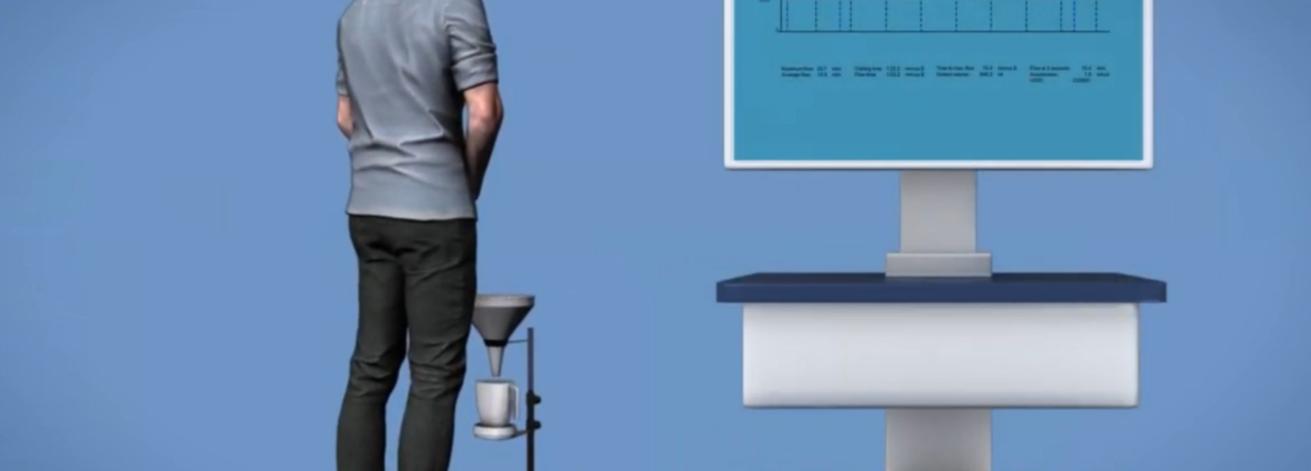
Urine Flow Measurement (Uroflowmetry):
The patient urinates normally while a device measures the flow rate and volume of urine. -
Bladder Filling Phase:
A thin catheter is inserted to fill the bladder with sterile fluid. During this phase, bladder pressure, volume, and sensation are measured. -
Bladder Emptying Phase:
Once the bladder is full, the patient urinates while both bladder and abdominal pressures are recorded simultaneously. -
Data Analysis:
The collected data is analyzed graphically to evaluate bladder filling and emptying function.
Preparation Before the Test
-
No special preparation is required.
-
The bladder should be empty before the procedure.
-
In some cases, preventive antibiotics may be given to reduce infection risk.
-
Certain medications (especially diuretics or bladder medications) may be temporarily paused under doctor supervision.

After the Test
-
Mild burning or increased urge to urinate may occur temporarily.
-
Drinking plenty of water can help relieve these symptoms.
-
Results are usually evaluated on the same day, and an appropriate treatment plan is prepared.
What Can Urodynamics Detect?
Urodynamic testing can provide detailed information on:
-
Whether the bladder muscle is overactive
-
Type of urinary incontinence (stress, urge, or mixed)
-
Whether the bladder empties with sufficient pressure
-
Whether urethral resistance is normal
-
Urinary problems caused by neurological conditions
Urodynamics in Our Clinic
At our clinic, urodynamic tests are performed using modern computer-assisted systems.
Patient comfort is prioritized throughout the procedure.
The collected data is evaluated alongside the patient’s symptoms to prepare a personalized treatment plan.
Purpose: To accurately identify the source of urinary problems and improve the patient’s quality of life.