Vesicoureteral Reflux (VUR)
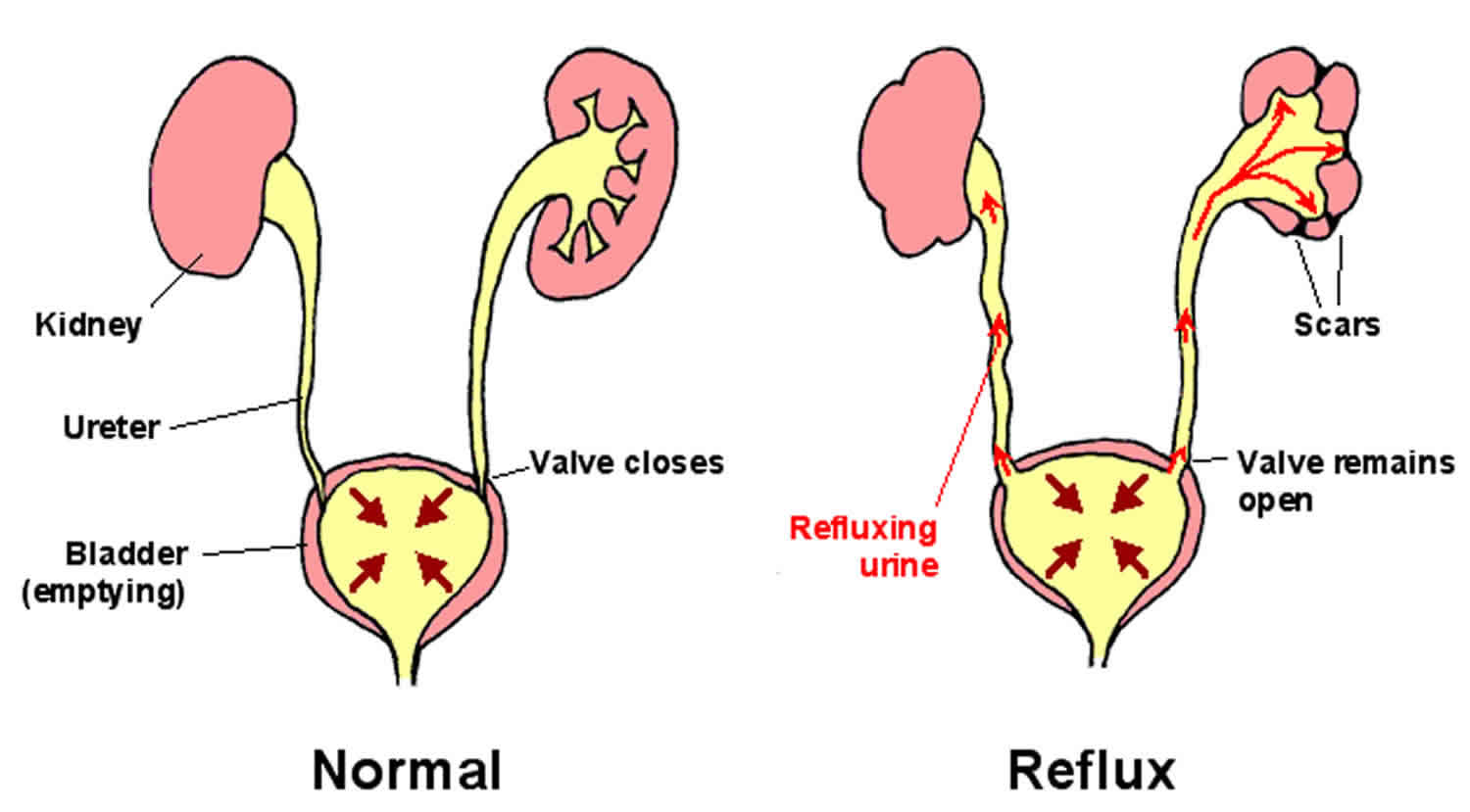
Vesicoureteral Reflux (VUR) is a condition in which urine flows backward from the bladder into the kidneys. Normally, urine flows in one direction: from the kidney to the ureter and then into the bladder. In some children, the valve mechanism between the ureter and the bladder is underdeveloped, allowing urine to flow back during bladder filling or urination.
This condition is one of the most important causes of recurrent urinary tract infections in childhood.
Causes
VUR is usually congenital.
-
The most common cause is a developmental defect in the anti-reflux mechanism where the ureter enters the bladder.
-
Rarely, it can develop secondary to urinary tract obstruction or neurogenic bladder.
Symptoms
VUR may not produce symptoms on its own, but it is often detected through:
-
Recurrent urinary tract infections
-
High fever (especially during kidney infection – pyelonephritis)
-
Pain or burning during urination
-
Blood in the urine (hematuria)
-
Abdominal or flank pain
If untreated, VUR can lead to kidney damage and high blood pressure over time.
Diagnosis
The most important diagnostic method is Voiding Cystourethrography (VCUG), a special X-ray procedure in which contrast dye is used to observe whether urine refluxes back into the kidneys.
Other diagnostic methods include:
-
Renal Ultrasound: Evaluates kidney swelling (hydronephrosis)
-
DMSA Scintigraphy: Assesses kidney function and detects scarring
Grading
VUR is classified into five grades based on the severity of reflux:
-
Grade 1–2: Mild reflux
-
Grade 3: Moderate reflux
-
Grade 4–5: Severe reflux (significant kidney dilation)
Treatment
Treatment is individualized based on the child’s age, reflux grade, and kidney function.
-
Observation and Preventive Treatment
-
Mild VUR may resolve spontaneously.
-
Low-dose antibiotics may be prescribed to prevent infections.
-
Regular urine tests and ultrasounds are performed for monitoring.
-
Endoscopic Treatment
-
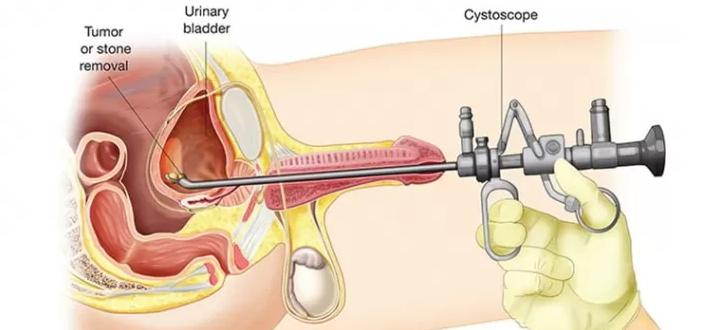
For moderate reflux, a minimally invasive procedure can be performed under cystoscopy.
-
A special bulking agent (e.g., Deflux) is injected at the ureteral opening to prevent reflux.
-
The procedure is short, painless, and usually allows same-day discharge.
-
Surgical Treatment
-
Severe or persistent cases may require open or laparoscopic surgery.
-
The ureter’s entry into the bladder is reconstructed to restore one-way urine flow.
-
Success rates exceed 95%.
Follow-Up and Long-Term Outcomes
-
Regular follow-up is essential to monitor kidney function, urinary tract infections, and blood pressure.
-
With early diagnosis and proper treatment, children can maintain completely healthy kidney function.
Our Clinical Approach
-
At our clinic, the most up-to-date methods are used for diagnosing and treating VUR.
-
Treatment is personalized according to the child’s age and reflux severity.
-
The goal is to protect kidney health and provide a safe, healthy urinary system for the child’s future.