Cystoscopy (Bladder and Urethra Imaging)
What is Cystoscopy?
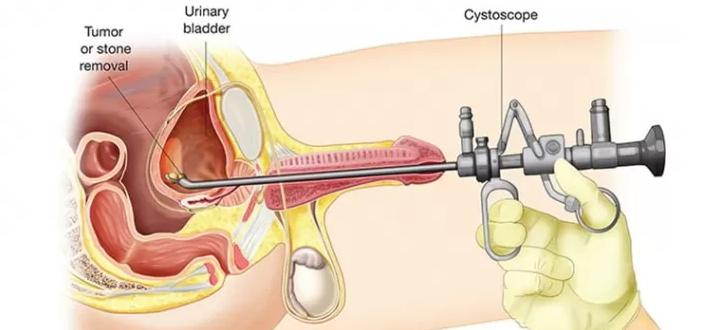
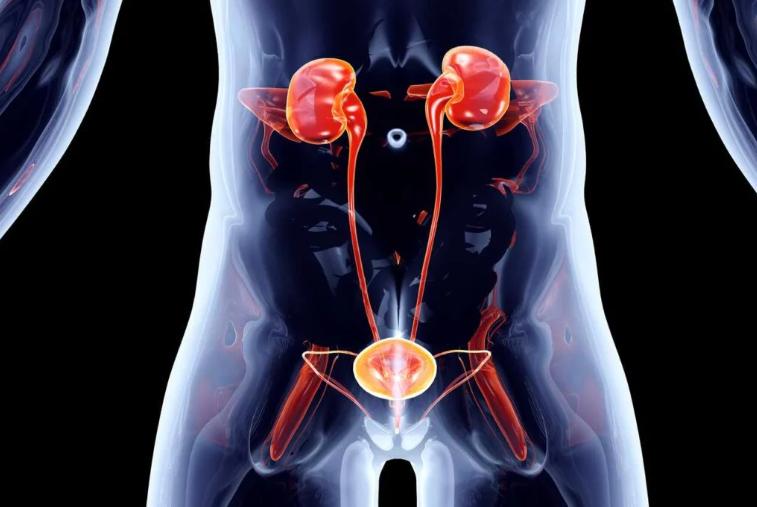
Cystoscopy is an endoscopic diagnostic and therapeutic procedure that allows direct visualization of the bladder and urethra. This procedure is performed using a thin, flexible camera called a cystoscope. Cystoscopy enables the doctor to directly observe structural abnormalities, tumors, stones, or changes caused by infections in the urinary tract.
Why is Cystoscopy Performed?
Cystoscopy is used in both men and women for diagnosis and evaluation in the following situations:
-
Blood in the urine (hematuria)
-
Recurrent urinary tract infections
-
Pain, burning, or difficulty during urination
-
Suspected obstruction due to enlarged prostate
-
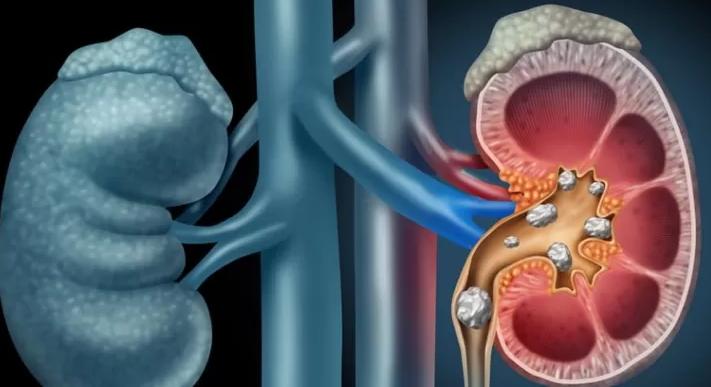
Suspected bladder stones, polyps, or tumors
-
Urinary incontinence and bladder dysfunction
-
Post-surgical follow-up
In some cases, cystoscopy can also be used therapeutically, for example:
-
Removal of small bladder stones
-
Excision of bladder lesions
-
Placement of urinary stents
How is Cystoscopy Performed?
Cystoscopy is usually performed under local anesthesia (anesthetic gel). Sedation or general anesthesia may be used in certain cases.
Procedure Steps:
-
The urethra is cleaned in a sterile manner and anesthetic gel is applied.
-
A thin cystoscope is inserted through the urethra into the bladder.
-
The bladder is gently filled with sterile fluid, allowing a clear view of the inner surface.
-
The doctor examines the bladder and urethral lining in detail.
-
If necessary, biopsies can be taken, or minor procedures can be performed.
The procedure usually takes 5–10 minutes.
After Cystoscopy
-
Mild burning, frequent urination, or slight pink discoloration of the urine may occur.
-
Drinking plenty of fluids helps relieve these symptoms quickly.
-
Seek medical attention if severe pain, fever, or dark red urine occurs.
-
Most patients can return to normal activities the same day.
Diseases Diagnosed with Cystoscopy
Cystoscopy can help detect:
-
Bladder tumors and polyps
-
Bladder stones
-
Urethral strictures or injuries
-
Chronic infections
-
Congenital or structural anomalies
-
Post-surgical follow-up
Biopsies or removal of small lesions can be performed during the procedure if necessary.
Cystoscopy at Our Clinic
At our clinic, cystoscopy is performed using high-resolution flexible cystoscopes, ensuring maximum patient comfort and minimal recovery time.
Cystoscopy is one of the most reliable methods for the definitive diagnosis of bladder and urethra diseases. The procedure is carried out by an experienced urologist under sterile, modern conditions with a personalized approach.
Purpose: To establish an accurate diagnosis, determine the appropriate treatment, and improve the patient’s quality of life.