Nocturnal Enuresis
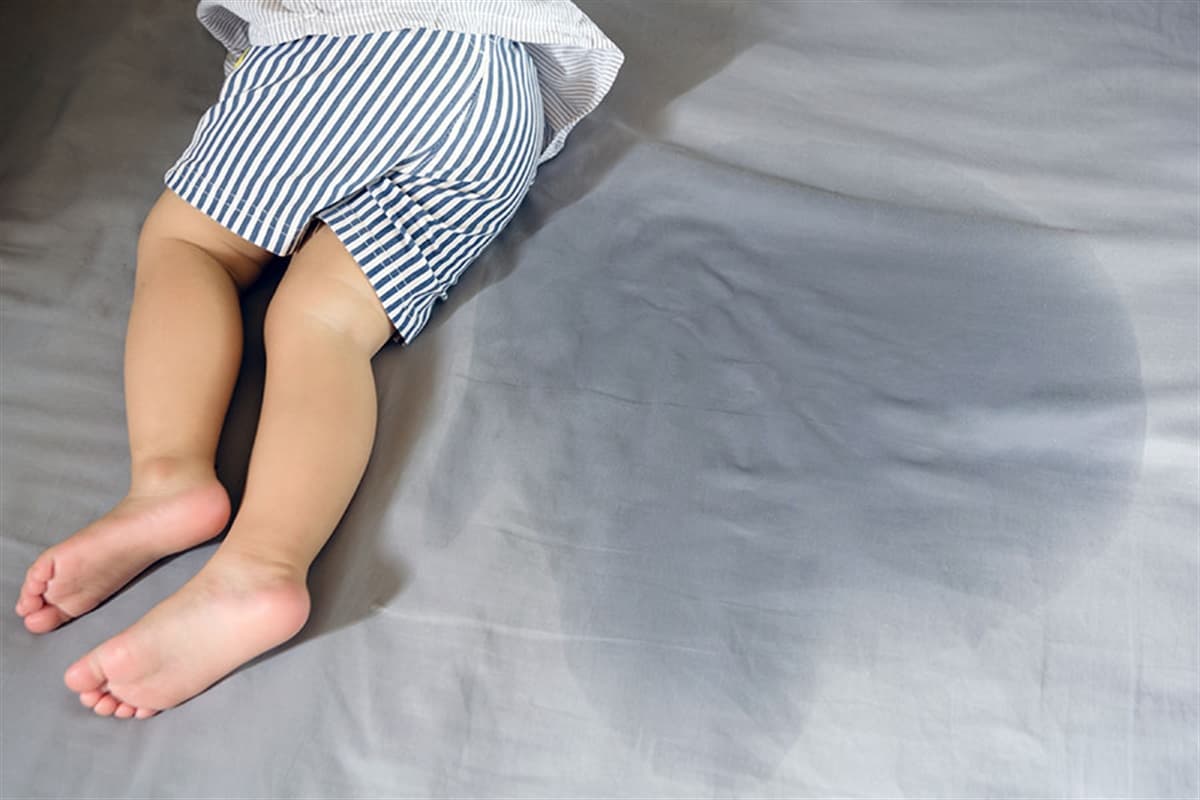
Nocturnal enuresis, commonly known as bedwetting, is the involuntary urination during sleep in children aged 5 years or older.
It is quite common in children and is usually not something to be ashamed of or punished for. Most cases are temporary, but some children may require treatment and support.
Causes
There can be multiple causes, often working together:
-
Family history: If a parent has had a similar condition, the child is more likely to experience it.
-
Delayed bladder development: The child’s bladder may not yet have the capacity to hold urine throughout the night.
-
Deep sleep: Some children sleep very deeply and may not wake when the bladder is full.
-
Hormonal factors: Insufficient levels of antidiuretic hormone (ADH), which reduces nighttime urine production.
-
Stress and psychological factors: Events like the birth of a sibling, school changes, or family stress can contribute.
-
Urinary tract infections or constipation: Underlying physical conditions can affect bladder control.
Symptoms
-
Bedwetting at least twice a week during sleep
-
Wet pajamas or bedding noticed in the morning
-
No daytime urinary incontinence (limited to nighttime)
-
Some children may experience restlessness or nightmares during sleep
Diagnosis
Determining the cause and type of bedwetting is important. This may include:
-
Detailed medical history and physical examination
-
Urinalysis and urine culture (to check for infections)
-
Ultrasonography (to evaluate bladder and kidneys)
-
Daily urinary frequency tracking (recording the child’s urination habits)
Treatment
Treatment is planned according to the child’s age, frequency of bedwetting, and underlying causes. The goal is to help the child gain bladder control while preserving self-esteem.
-
Behavioral Therapy
This is the first and most important step:
-
Reduce fluid intake 2 hours before bedtime
-
Ensure the child goes to the toilet before sleeping
-
Establish regular daytime toilet habits
-
Use positive reinforcement (rewards) rather than punishment for wet nights
-
Alarm Therapy
-
Special bedwetting alarms with urine sensors are used
-
When the child begins to urinate, the alarm sounds, waking them up
-
Over time, the child develops a reflex to recognize a full bladder
-
Highly effective but requires patience and family support
-
Medication
-
Used when behavioral therapy is insufficient:
-
Desmopressin: Reduces nighttime urine production
-
Anticholinergic drugs: Regulate bladder contractions
-
-
Medications should always be administered under medical supervision
Follow-Up and Family Support
-
Bedwetting is usually a temporary condition
-
Families should avoid blaming the child and remain patient
-
Reducing stress and providing support significantly increases treatment success
-
Regular doctor visits are important to monitor progress
Our Clinic’s Approach
At our clinic, nocturnal enuresis is managed individually, considering the child’s age, general health, and psychological profile.
Underlying causes are carefully evaluated during diagnosis, followed by tailored behavioral, alarm, or medication therapy.
The aim is to help the child regain bladder control, maintain self-esteem, and achieve a healthy and comfortable sleep pattern.