URS Stone Surgery
URS (Ureterorenoscopy) is a modern, minimally invasive surgical method used to treat kidney and ureteral stones.
This technique allows stones to be visualized and fragmented with a laser by entering naturally through the urinary tract, without any external incision.
Today, it is one of the most commonly used, safe, and effective methods in stone surgery.
What is Ureterorenoscopy (URS)?
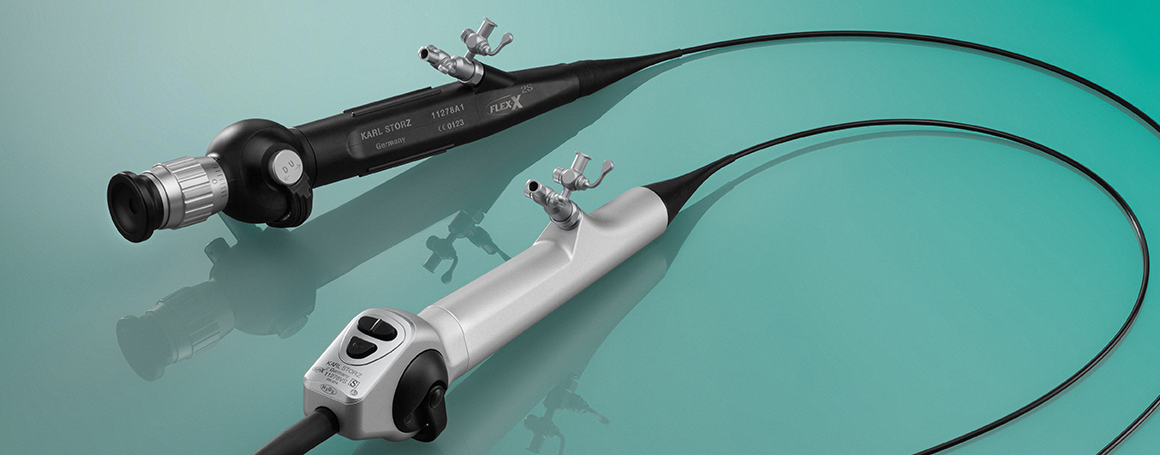
URS involves inserting special thin optical instruments into the urinary tract to directly visualize and remove stones.
Using a device called a ureterorenoscope, the surgeon reaches the location of the stone and breaks it into small pieces using laser energy.
These fragments are either naturally passed or removed with tiny forceps.
URS can be applied to stones located in both the ureter (urinary canal) and the kidney.
Advantages
-
No incision is required; it is a completely closed procedure.
-
No stitches are needed, and recovery time is short.
-
Direct intervention on stones provides a high success rate.
-
Stone fragmentation and clearance can be performed in the same session.
-
Hospital stay is usually one day.
-
Return to daily activities is very fast.
When is URS Applied?
-
Stones located in the ureter (from kidney to bladder)
-
Stones in the middle or lower calyx of the kidney
-
Stones that cannot be broken with ESWL (extracorporeal shock wave lithotripsy)
-
Stones causing severe pain, urinary obstruction, or infection
-
Stone treatment in patients with a single kidney
How is the Surgery Performed?
-
The procedure is performed under general or spinal anesthesia.
-
The surgeon enters through the urethra to reach the bladder and then the ureter.
-
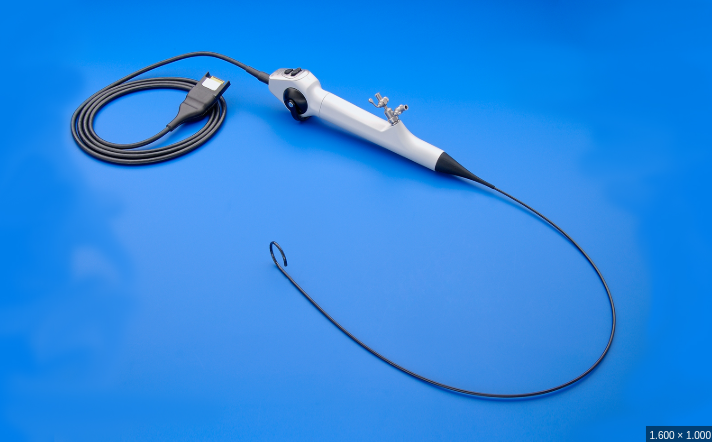
Using a thin and flexible ureterorenoscope, the stone is visualized.
-
Laser energy (usually Holmium:YAG) is used to fragment the stone.
-
If needed, special forceps are used to remove stone fragments.
-
A temporary D-J stent may be placed to ensure ureteral drainage, typically removed after a few weeks.
-
Surgery duration varies depending on the stone’s size and location, usually 30–90 minutes.
Postoperative Process
-
Patients are usually discharged the same day or the next day.
-
Mild burning or blood in the urine may occur in the first few days; this is normal.
-
Drinking plenty of fluids accelerates recovery.
-
If a stent is placed, it is usually removed 2–4 weeks later.
-
Patients can return to normal life and work within a few days.
Possible Risks and Complications
As with any surgical procedure, URS carries some risks, but these are rare:
-
Mild urinary tract infection
-
Temporary burning or pain
-
Rare minor injuries to the ureteral wall
-
Temporary blood in the urine
These complications usually resolve spontaneously within a short time.
Success Rate
URS is an extremely effective method, providing over 90% stone-free rates.
Modern laser systems allow high success even with hard or complex stones.
Conclusion
URS stone surgery is a safe, effective, and minimally invasive method for treating kidney and ureteral stones.
It allows stones to be cleared successfully without the need for open surgery.
At our clinic, flexible and digital ureterorenoscopes along with the latest Holmium laser systems are used. Each patient receives an individualized treatment plan based on the stone’s location, size, and composition.
Our goal is to restore patients to a pain-free, stone-free, and healthy life as quickly as possible.