Prostate Fusion Biopsy
Prostate fusion biopsy is one of the most advanced and reliable methods used in the diagnosis of prostate cancer. In this technique, magnetic resonance (MR) images are combined with ultrasound (TRUS) images using computer assistance (fusion), allowing highly accurate biopsy sampling from suspicious areas.
The main goal is to detect cancerous tissue early and accurately while avoiding unnecessary biopsies.
Why Fusion Biopsy?
Traditional prostate biopsy involves taking random samples from 10–12 regions under ultrasound guidance. Some cancer foci may be missed with this method.
Fusion biopsy, however, targets areas identified as suspicious on MR images, which provides:
-
Reduced unnecessary tissue sampling
-
Detection of small but clinically significant cancers
-
More accurate diagnosis and treatment planning
How Is It Performed?
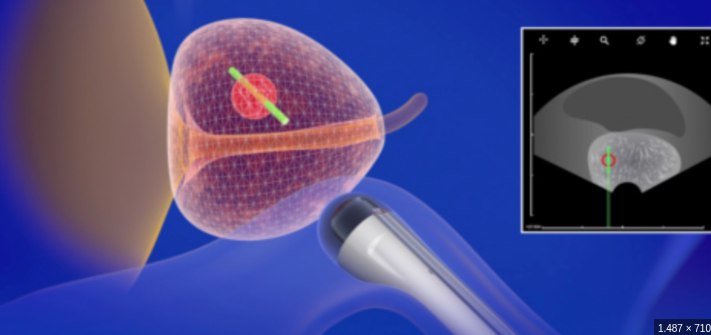
MR Imaging: Detailed MR scans of the patient’s prostate are obtained first. Suspicious areas (high PI-RADS score regions) are identified.
Fusion Process: MR images are transferred to the ultrasound system used during the biopsy.
Biopsy:
-
An ultrasound probe is inserted rectally.
-
Suspicious areas from MR are overlaid on the real-time ultrasound image.
-
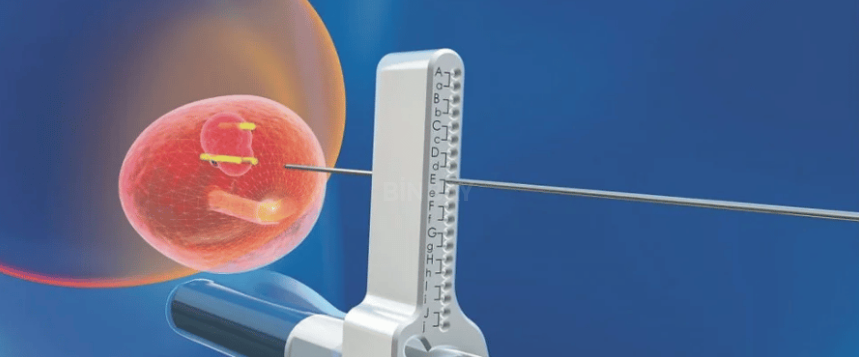
Biopsy needles target these areas specifically.
The procedure is usually performed under local anesthesia or light sedation and takes approximately 20–30 minutes.
Advantages
-
High accuracy: Biopsying suspicious lesions identified on MR can increase the diagnostic rate up to 90%.
-
Fewer needle insertions: Less unnecessary tissue sampling improves patient comfort.
-
Early detection: Small and aggressive cancer foci can be identified earlier.
-
Safe for repeat biopsies: Suitable for patients with previously negative biopsies but elevated PSA levels.
Post-Procedure
-
Mild blood in urine, rectal discomfort, or blood in ejaculate may occur; these symptoms typically resolve within a few days.
-
Antibiotics and pain medication may be prescribed if needed.
-
Pathology results are usually available within 5–7 days.
-
If cancer is detected, staging and treatment planning are personalized.
Who Is Suitable?
-
Patients with elevated PSA but previously negative standard biopsy
-
Patients with suspicious lesions on MR (PI-RADS 3, 4, 5)
-
Patients previously diagnosed with prostate cancer who require re-evaluation
Fusion Biopsy in Our Clinic
At our clinic, MR-TRUS fusion biopsy is performed using advanced technology and an experienced urology team.
This method increases diagnostic accuracy, reduces unnecessary biopsy risk, and allows the patient to receive the most appropriate treatment plan.
Goal: To diagnose prostate cancer early and safely, while avoiding unnecessary interventions and determining the best individualized treatment approach for the patient.