Percutaneous Kidney Stone Surgery
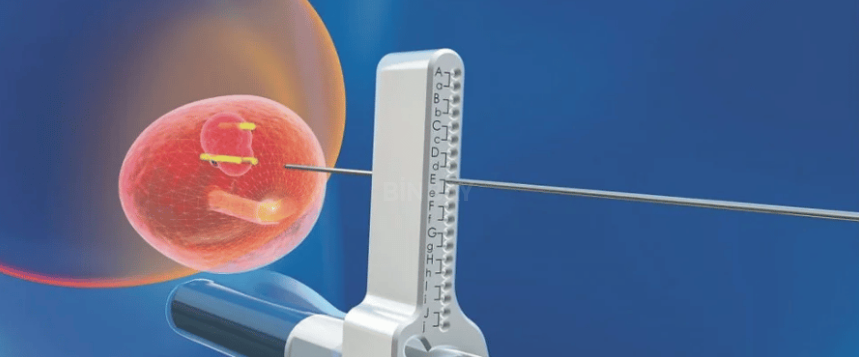
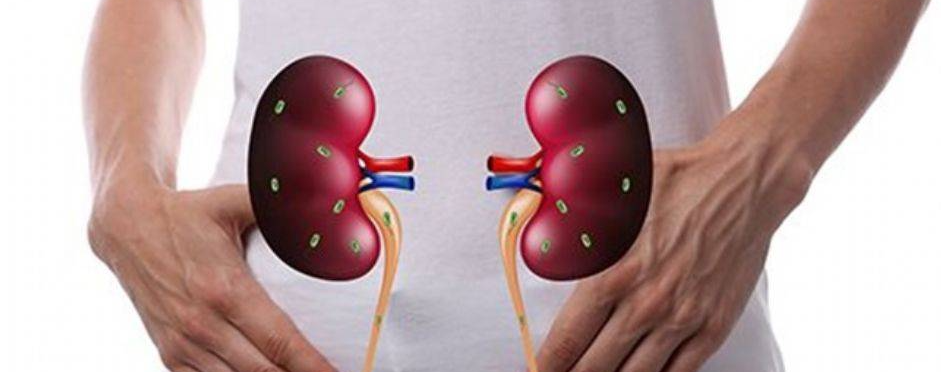
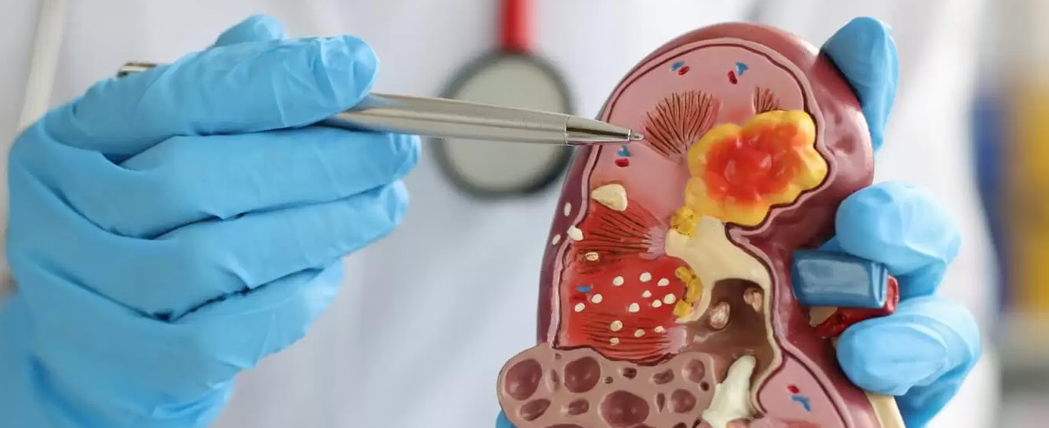
Percutaneous nephrolithotomy (PNL) is a modern and effective surgical method used to remove kidney stones through a small incision in the skin. It is especially preferred for large, multiple, or stones that cannot be broken by other methods such as ESWL (extracorporeal shock wave lithotripsy) or URS (ureteroscopy). This technique allows stones to be directly cleared from the kidney without the need for open surgery.
How is the Surgery Performed?
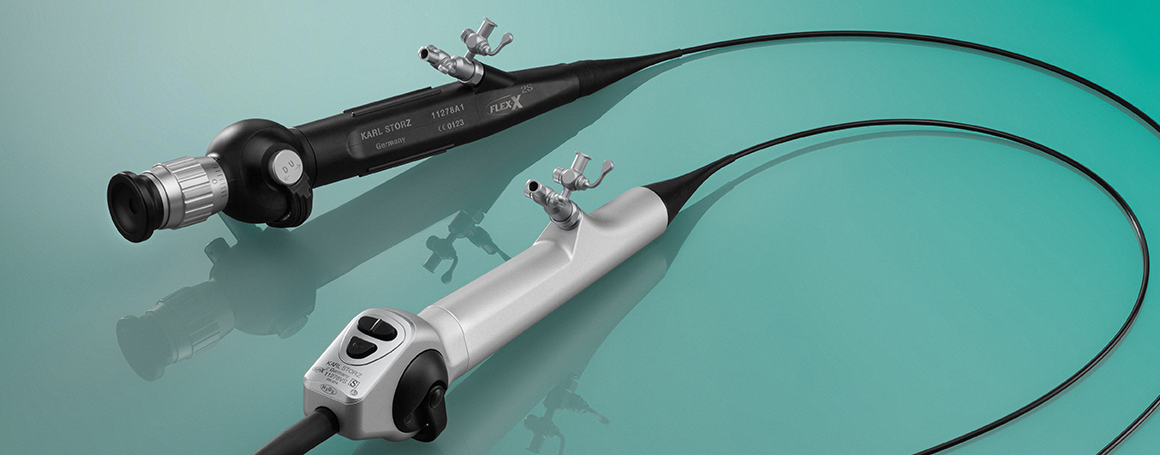
The procedure is performed under general anesthesia. A small incision of about 1 cm is made in the back, and a thin tube called a nephroscope is inserted into the kidney. Through this tube, stones are visualized and fragmented using special ultrasonic or laser devices, then removed. If necessary, a temporary stent (DJ stent) may be placed to maintain urine flow.
Advantages
-
High success rate: Complete stone clearance is achieved even for large stones.
-
Minimally invasive: Small incision with minimal tissue damage.
-
Fast recovery: Most patients can be discharged within 1–2 days.
-
Less pain and bleeding: Much more comfortable than open surgery.
Postoperative Process
-
The nephrostomy tube placed in the kidney is usually removed within one day.
-
Patients can return to normal activities quickly.
-
It is important to follow doctor’s recommendations, drink plenty of fluids, prevent infection, and attend regular follow-ups.
Who is Suitable?
-
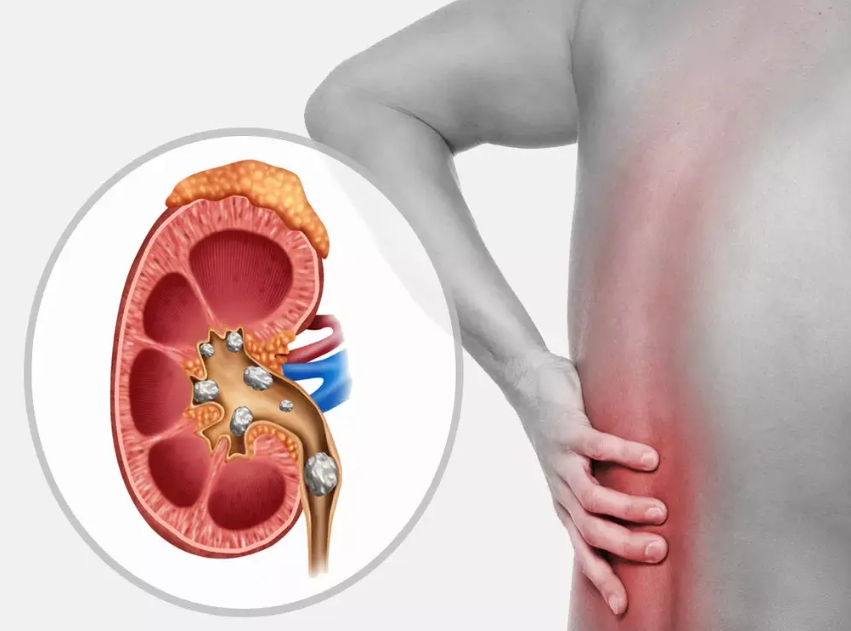
Patients with kidney stones larger than 2 cm
-
Stones that recur or cause infection
-
Stones not treatable with ESWL or URS
-
Stones with hard composition such as calcium oxalate, cystine, or struvite
Percutaneous kidney stone surgery is one of the most effective and safe methods in modern urology. When performed by an experienced surgeon, it provides high success rates with minimal complications.