Penile Prosthesis
A penile prosthesis is a permanent and effective surgical treatment for erectile dysfunction (ED) in cases where medications or other therapies have not been successful. With this procedure, specially designed implants are placed inside the penis to restore male sexual function and allow for a natural sexual life.
What is a Penile Prosthesis?
A penile prosthesis is a medical device inserted into the spongy tissues of the penis (corpora cavernosa). These devices mechanically facilitate an erection. When natural erections do not occur during sexual activity, the prosthesis allows the patient to achieve rigidity at the desired time and for the desired duration.
Types of Penile Prostheses
1. Semi-Rigid (Malleable) Prostheses
-
Consist of two bendable rods.
-
Not constantly rigid, but can be positioned up or down easily.
-
Minimal risk of mechanical failure.
-
Ideal for older patients or those with limited manual dexterity.
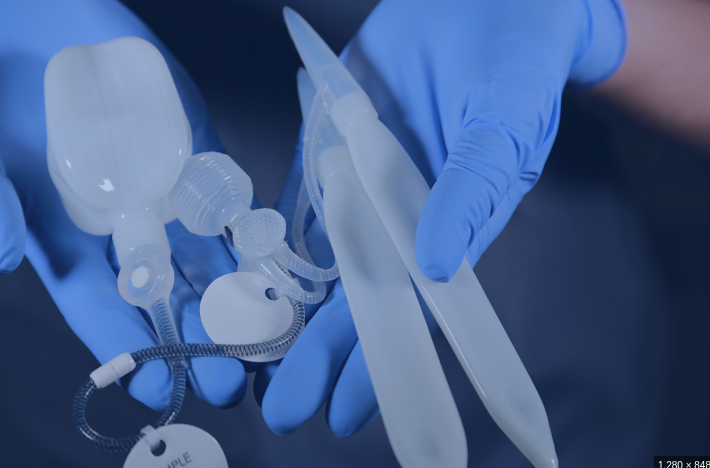
2. Inflatable (Hydraulic) Prostheses
-
Available as 2-piece or 3-piece systems.
-
The 3-piece system provides the most natural erection and flaccidity.
-
Components include a pump (placed in the scrotum), a fluid reservoir (in the abdomen), and two cylinders (inside the penis).
-
Squeezing the pump moves fluid into the cylinders to create an erection; releasing the pump returns the fluid to the reservoir.
-
Offers the most natural cosmetic and functional results.
Who is a Candidate?
Penile prosthesis surgery is recommended for patients with:
-
Erectile dysfunction unresponsive to medications (PDE5 inhibitors) or injection therapy
-
Permanent ED related to diabetes
-
ED following prostate or bladder surgery
-
Erectile loss due to trauma or nerve/vascular injury
-
Organic ED cases where psychological causes have been excluded
Surgical Procedure
-
Performed under general or spinal anesthesia.
-
Typically involves a small incision at the base of the penis or in the scrotum.
-
The prosthesis is inserted under sterile conditions.
-
Patients are usually discharged within 1–2 days.
-
Sexual activity can be resumed after wound healing (approximately 3–4 weeks).
Advantages
-
Permanent solution with high success rates
-
Natural appearance and feel of an erection
-
Partner satisfaction exceeds 90%
-
No need for medications or injections
-
Long-lasting (15–20 years) treatment option
Potential Risks and Complications
As with any surgery, there are potential risks:
-
Infection (particularly in diabetic patients)
-
Mechanical failure (rare in inflatable prostheses)
-
Pain or temporary swelling
-
Device replacement may be needed long-term
These risks are minimized when performed by experienced surgeons.
Postoperative Period and Quality of Life
-
Patients typically return to normal daily activities quickly.
-
Pump training for inflatable prostheses is usually completed within a few days.
-
Significant improvement in sexual satisfaction and self-confidence is observed.
Conclusion
Penile prosthesis surgery provides the most permanent and satisfying outcomes for erectile dysfunction. Modern, next-generation implants allow patients to achieve both natural appearance and functional sexual activity.
At our clinic, patient comfort and safety are prioritized, and the most suitable prosthesis type is individually selected and implanted by an experienced surgical team.