Bladder Pacemaker
A bladder pacemaker is an advanced technological treatment method that regulates the nerves controlling urinary function through electrical stimulation. It provides an effective solution, particularly for issues such as urinary incontinence, overactive bladder, and urinary retention that do not respond to medication or behavioral therapies.
What is a Bladder Pacemaker?
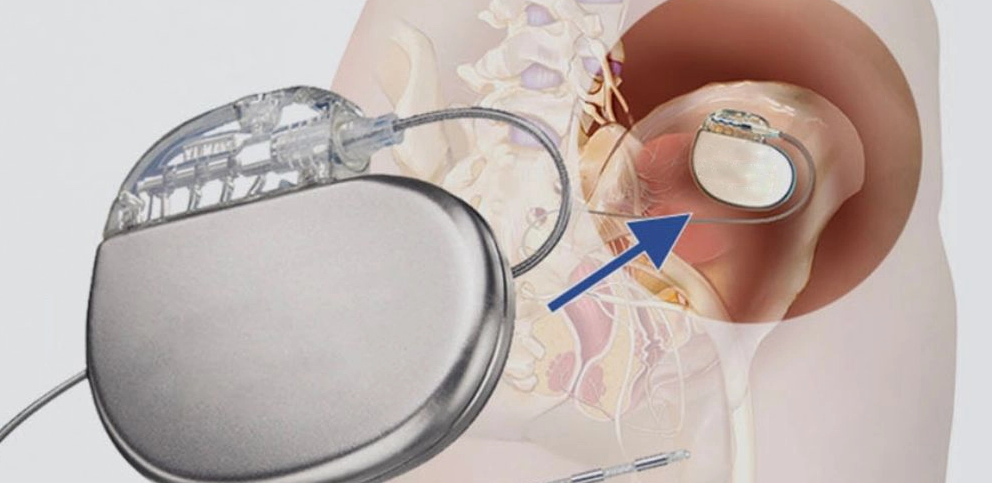
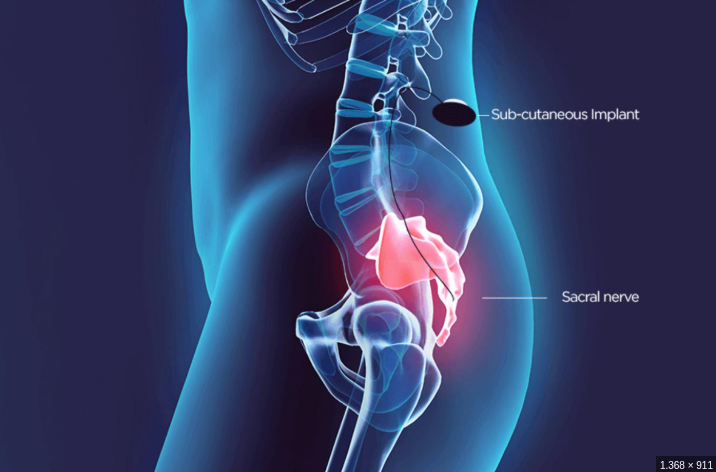
Medically referred to as “sacral neuromodulation,” this method is based on stimulating the sacral nerves (especially the S3 nerve) located in the lower back. These nerves control the functioning of the bladder and pelvic floor muscles. The bladder pacemaker sends low-intensity electrical signals to these nerves to regulate urinary function.
The treatment involves implanting a small device under the skin, similar to a cardiac pacemaker. This device continuously stimulates the nerves, reducing involuntary bladder contractions and helping restore normal urinary control.
Who is it for?
Bladder pacemaker treatment can be applied in the following conditions:
-
Overactive bladder (frequent urination, sudden urgency, urinary incontinence)
-
Urinary retention (inability to fully empty the bladder)
-
Neurogenic bladder (nerve-related urinary problems)
-
Cases not responding to medication or physical therapy
This treatment can be safely used in both women and men.
Treatment Stages
Bladder pacemaker implantation is generally performed in two stages:
Trial Period (Temporary Pacemaker):
-
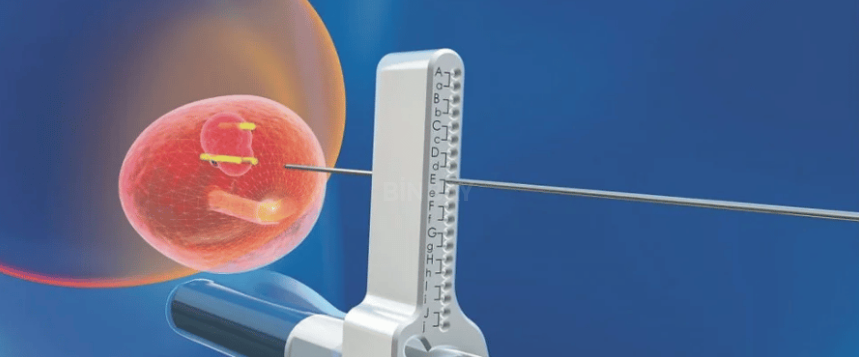
In the first stage, a temporary stimulator is placed near the sacral nerve using a small electrode needle.
-
The patient’s response is observed over 1–2 weeks.
-
If urinary control improves significantly, the permanent pacemaker is implanted.
Permanent Pacemaker:
-
For patients who respond positively during the trial period, a small device similar to a cardiac pacemaker is permanently implanted under the skin.
-
The device can be externally controlled with a special remote, and its settings can be easily adjusted if necessary.
Advantages of Bladder Pacemaker Treatment
-
Significant improvement in urinary incontinence and frequent urination
-
Restoration of natural bladder function in urinary retention
-
Medication-free and long-lasting solution
-
Low complication rate
-
Rapid return to daily life and physical activities
Postoperative Process
-
The surgery can be performed under local or general anesthesia, and patients are usually discharged the same day or the following day.
-
Patients return to normal life quickly, and the benefits of the device are generally noticeable within a few days.
-
Regular follow-ups allow the device settings to be optimized according to the patient’s needs.
Conclusion
The bladder pacemaker (sacral neuromodulation) is a modern, safe, and effective option for patients experiencing urinary incontinence or bladder emptying problems who do not benefit from other treatments.
Thanks to this method, many patients are freed from long-standing urinary problems that reduce quality of life and can continue their daily activities with confidence.