Interstitial Cystitis and Pudendal Block
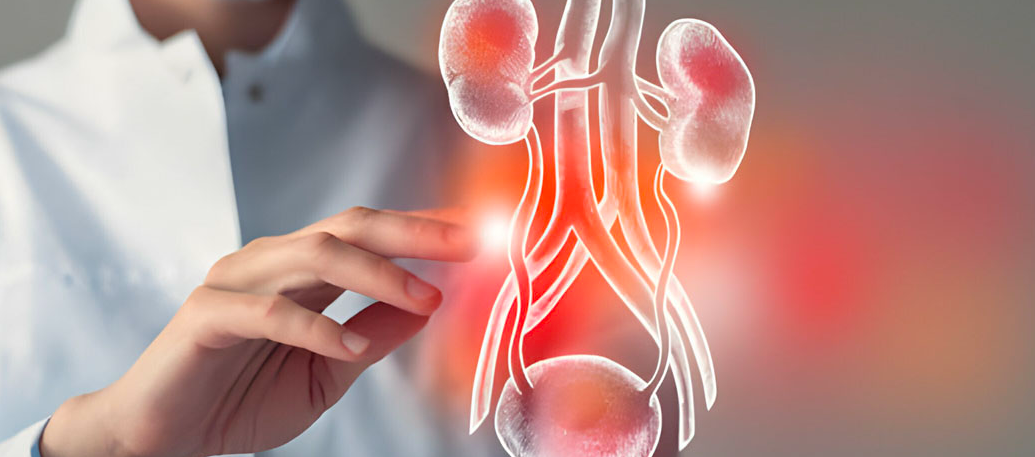
Interstitial cystitis (painful bladder syndrome) is a chronic condition characterized by bladder pain, frequent urination, and sudden urgency, even in the absence of recurrent urinary tract infections. In this disorder, the nerve endings in the bladder wall are hypersensitive, which over time negatively affects both urination frequency and quality of life.
Symptoms
-
Frequent and urgent need to urinate
-
Pain or pressure that increases as the bladder fills
-
Pain during sexual intercourse
-
Persistent discomfort in the lower abdomen, pelvis, or lower back
Treatment Approach
Treatment for interstitial cystitis is individualized and progressive, based on the patient’s symptoms. Options include medications, bladder instillations, dietary modifications, and nerve blocks.
One such treatment, the pudendal nerve block, is particularly effective for patients experiencing severe pelvic pain.
What is a Pudendal Block?
A pudendal block involves injecting a local anesthetic—or sometimes a steroid—around the pudendal nerve, which transmits pain signals from the pelvic floor. The goal is to temporarily or long-term interrupt pain transmission from this nerve.
The procedure is usually performed under ultrasound or fluoroscopic (X-ray) guidance and takes about 10–15 minutes. It can be done under local anesthesia, so no surgical incision is required.
Benefits of Pudendal Block
-
Significantly reduces pain in the pelvic and bladder area
-
Relieves urgency and frequent urination
-
Provides an effective alternative for patients resistant to medications
-
Enhances quality of life when used alongside other treatments
How Long Does the Effect Last?
Pain relief is typically felt immediately after the procedure. The duration of effect varies depending on the medication used and can last from weeks to months. The procedure can be repeated at intervals if necessary.
Who is it Suitable For?
-
Patients with interstitial cystitis who do not respond adequately to medications or other treatments
-
Individuals with chronic pelvic pain syndrome
-
Women experiencing severe pain during sexual intercourse (dyspareunia)
-
Patients with bladder- or pelvic muscle-related pain
Conclusion
Interstitial cystitis is a condition that requires patience in treatment. The pudendal block stands out as a non-surgical, effective, and safe option, especially for patients with resistant pelvic pain. When combined with other medical treatments, it can reduce pain and improve bladder function.
The ultimate goal is to provide a pain-free life and allow the patient to return comfortably to daily activities.