Bladder Botox for Urinary Incontinence
Bladder Botox is a modern, effective, and non-surgical treatment for urinary incontinence and overactive bladder (OAB) problems. Botulinum toxin (Botox) is injected into the bladder muscles to prevent excessive contractions and improve bladder control. This significantly reduces symptoms such as frequent urination, sudden urgency, and involuntary urine leakage.
How is it administered?
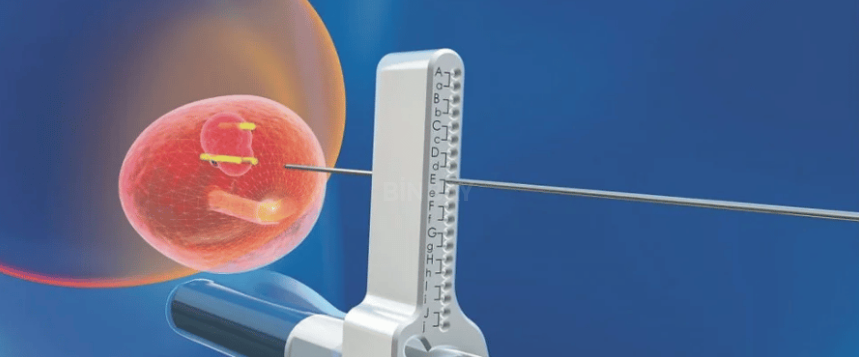
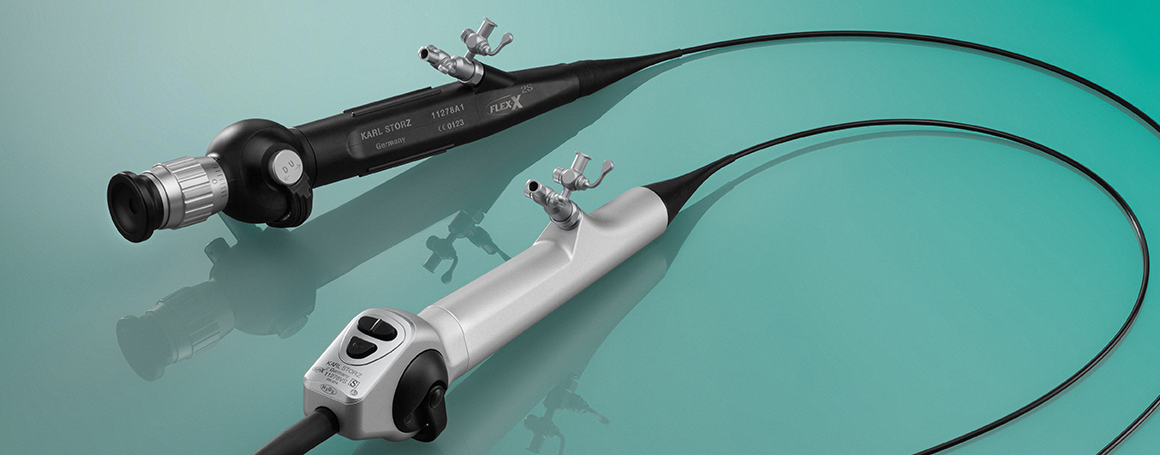
The bladder Botox procedure is usually performed under local or mild general anesthesia using a cystoscope, a thin camera inserted into the bladder. A special needle is used to inject low doses of Botox into 10–20 different points in the bladder wall. The procedure typically takes 15–20 minutes, and the patient can go home the same day.
How long does it last?
The effects of Botox usually last 6 to 9 months. Once the bladder muscles return to their normal activity, the procedure can be repeated. Regular Botox injections over time can significantly improve long-term quality of life.

Who is suitable for this treatment?
-
Patients diagnosed with overactive bladder (OAB)
-
Those whose symptoms persist despite medication for urinary incontinence
-
Patients with neurogenic bladder (e.g., after spinal cord injury)
-
Patients who are not candidates for surgery or prefer to avoid it
Advantages
-
Non-surgical and can be performed as a day procedure
-
Painless and quick
-
High success rate
-
Significantly reduces frequency and urgency of urination
Post-Procedure Care
Mild burning or temporary difficulty urinating may occur after the procedure, but this is usually short-lived. It is important to follow the doctor’s recommendations, stay well-hydrated, monitor for infection, and attend follow-up appointments.
Bladder Botox is one of the most effective alternatives to medication for treating urinary incontinence. Its minimally invasive nature provides patients with a comfortable, safe, and long-lasting relief.